Fall Prevention
Falls are one of the most serious health risks affecting older adults and are a leading cause of injury-related death. A significant majority of fatal falls involve seniors, and complications such as hip fractures can greatly increase health risks, including higher mortality within the following year. Beyond physical injury, falls also place emotional and financial strain on families and caregivers, with healthcare and rehabilitation costs reaching billions annually.
Even when a fall does not lead to hospitalization, it can have lasting psychological effects. Many seniors develop a fear of falling, which often leads to reduced activity, lower confidence, and increased isolation. This cycle of fear and inactivity can negatively impact overall health and, ironically, increase the likelihood of future falls.
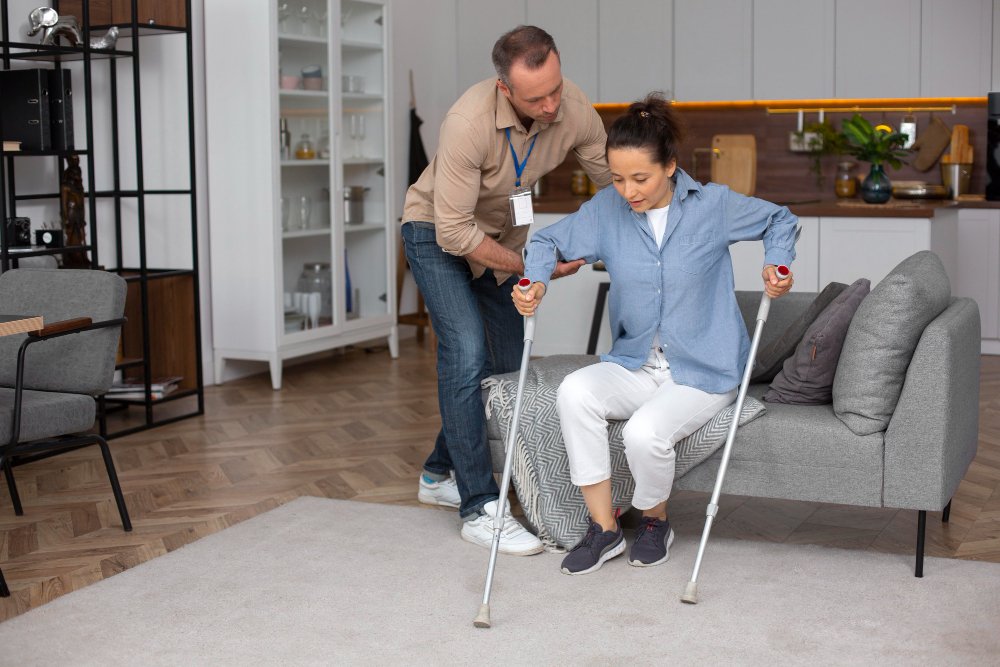
Through personalized in-home support, caregivers can help identify potential hazards within the home and improve safety in everyday living spaces. Simple adjustments and proactive care can make a meaningful difference in reducing risks and supporting safer mobility.
Promoting Awareness and Preventing Falls
Increasing awareness about fall prevention is an important step in helping seniors live safely and independently. Many falls can actually be prevented with the right support, environment, and education. Free home assessments and educational sessions can help families understand potential risks and learn practical ways to improve home safety.
Helpful considerations include:
- Fear of falling can reduce confidence and lead to inactivity
- Anxiety may include fear of not being able to get up after a fall
- Creating a safer and more accessible living environment can reduce risk
- Assistive devices may improve stability and independence
- Staying informed is key to protecting loved ones
In addition, personalized home care services can support seniors by addressing individual needs and reducing fall-related risks. Care plans are tailored to each person’s routine, preferences, and safety concerns, helping them remain independent while living more securely at home.
For further guidance, a home safety checklist can help identify and address common household hazards that may contribute to falls.